
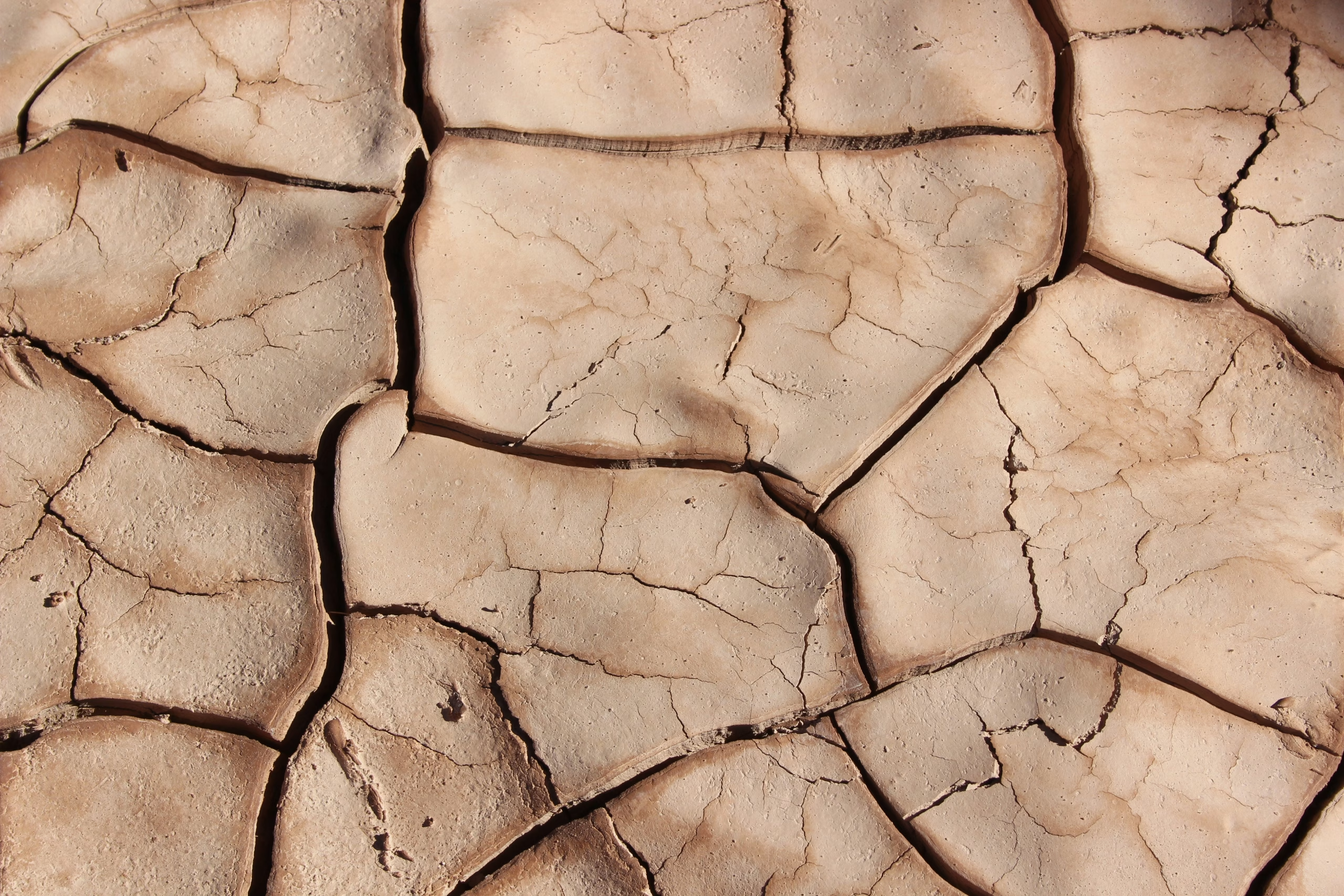
Discover the ultimate skincare routine for dry skin, including seasonal care tips, when irritation happens, step-by-step hydration methods, and nutrition advice to nourish your skin from within.
Dry skin isn’t just a seasonal inconvenience , it’s a skin type that needs continuous care, hydration, and attention. Whether you’re struggling with flakiness in the winter or dullness in the summer, having a well-structured skincare routine can make all the difference. This comprehensive guide will walk you through everything you need to know about dry skin and how to care for it effectively throughout the year.
What Is Dry Skin?
Dry skin, also known as xerosis or xeroderma, is a skin condition characterized by a lack of moisture in the epidermis. It often feels tight, rough, or scaly and may appear dull or flaky. Unlike oily or combination skin types, dry skin lacks sufficient sebum, which is essential for retaining moisture and maintaining a strong skin barrier.
Key Signs of Dry Skin:
- Tightness, especially after washing
- Rough texture and flakiness
- Redness or irritation
- Increased sensitivity
- Dull complexion
Dry Skin Problems in Summer vs. Winter
Summer Dry Skin Issues
While summer may seem like a relief from the harshness of winter, dry skin can still be a challenge in hot weather. Here’s why:
- Sun exposure can dehydrate the skin and cause peeling.
- Air conditioning draws out indoor moisture, leading to drier skin.
- Increased sweating can lead to salt buildup, which irritates and dries the skin if not washed off properly.
- Frequent washing after beach or pool visits can strip the skin’s natural oils.
Winter Dry Skin Issues
- Dry skin tends to worsen during the winter months due to:
- Cold, dry air reducing the skin’s ability to retain moisture.
- Indoor heating that eliminates humidity, leading to dehydration.
- Hot showers that feel comforting but strip the skin of its natural oils.
- Friction from heavy clothing that can cause irritation or chafing.
Tip: Use a humidifier in both seasons in summer to balance A/C dryness, and in winter to restore moisture in heated rooms.
When Does Dry Skin Get Irritated?
Dry skin can become irritated when the skin barrier is compromised. This makes it more sensitive to external factors like:
- Fragranced skincare or harsh ingredients (e.g., alcohol, sulfates)
- Sudden climate changes
- Over-washing or over-exfoliation
- Exposure to allergens or pollution
- Wearing irritating fabrics like wool The irritation may show up as redness, itching, stinging, or even flaking. If not addressed, this can lead to inflammation, sensitivity, and increased susceptibility to skin conditions like eczema or dermatitis.
Why Follow a Skincare Routine for Dry Skin?
A consistent skincare routine isn’t just about beauty it’s about maintaining skin health. For dry skin, a targeted routine can:
Rebuild the skin barrie
Lock in hydration
Reduce sensitivity and flakiness
Promote smoother texture and glowing complexion
Protect against environmental damage
Without a proper regimen, dry skin can spiral into chronic irritation, premature aging, and discomfort. That’s why following the right steps daily is crucial.
Step-by-Step Skincare Routine for Dry Skin

Let’s break down your skincare routine into simple, manageable steps. This applies to both morning and night, with slight variations.
Step 1: Gentle Cleansing
Start by washing your face with a hydrating, non-foaming cleanser. Avoid cleansers with alcohol, strong fragrance, or sulfates. Look for ingredients like:
- Glycerin
- Hyaluronic Acid
- Ceramides
- Oat Extract
Tip: Use lukewarm water as hot water strips oils and worsens dryness.
Step 2: Moisturizing
After cleansing, apply a rich moisturizer to seal in hydration. Moisturizers for dry skin should contain:
- Ceramides (to repair the barrier)
- Shea Butter
- Squalane
- Niacinamide
- Panthenol
Choose creams or balms over gels or lotions. In winter, opt for thicker, occlusive moisturizers; in summer, you can use lighter creams but still rich in moisture-retaining ingredients.
Tip: Apply moisturizer within 1 minute of washing your face to lock in water (the “moisture sandwich” method).
Step 3: Deep Hydration
Hydration goes beyond moisturization. Add a hydrating serum to your routine — preferably one that includes:
- Hyaluronic Acid (multiple molecular weights for deeper hydration)
- Aloe Vera
- Beta Glucan
- Polyglutamic Acid
Layer your hydrating serum under your moisturizer both morning and evening.
Tip: Always apply hydrating products on damp skin.
Optional Add-Ons for Dry Skin
These steps can be added depending on your skin’s specific needs:
Exfoliation (1–2x/week)
Use gentle chemical exfoliants like lactic acid or PHA to remove flaky dead skin. Avoid scrubs.
Facial Oils
Layer oils like rosehip, jojoba, or marula over your moisturizer for added nourishment, especially in winter.
SPF (Daytime)
Use a sunscreen with added moisturizing properties. Look for SPF 30+, preferably with zinc oxide or titanium dioxide if you’re sensitive.
Common Mistakes to Avoid
- Washing your face too often or with hot water
- Skipping moisturizer
- Using alcohol-heavy toners
- Over-exfoliating
- Relying only on drinking water for hydration
- Ignoring seasonal changes in your routine
DIY Remedies for Dry Skin
If you’re into natural skincare, here are a few effective DIY masks:
1. Avocado & Honey Mask
Rich in fatty acids and antioxidants mash half an avocado with 1 tsp honey. Apply for 15 minutes and rinse with lukewarm water.
2. Coconut Oil Overnight Treatment
Use as an overnight occlusive layer over your moisturizer — especially for flaky areas.
3. Yogurt & Oat Soothing Mask
Combines exfoliation and hydration. Use plain yogurt and ground oats for 10–15 minutes.
Lifestyle Tip: Skincare Starts From Within
No matter how good your routine is, if your body lacks hydration and nutrients, your skin will show it. That’s why true skincare begins inside.
- Eat Healthy
- Drink plenty of water
- Include foods high in Omega-3s (like salmon, walnuts)
- Prioritize fiber-rich vegetables and fruits: cucumbers, leafy greens, carrots, berries
- Limit sugar and caffeine, which can dehydrate
- Consider supplements like collagen, zinc, and vitamin E if your doctor recommends
Also, manage stress and ensure good sleep both critical for skin regeneration.
Dry skin isn’t just about how it looks , it’s about how it feels. By understanding what causes dryness and how to respond with a thoughtful skincare routine, you give your skin the best chance to stay healthy, soft, and radiant all year round. Start small, be consistent, and don’t forget: beauty begins on the inside!
